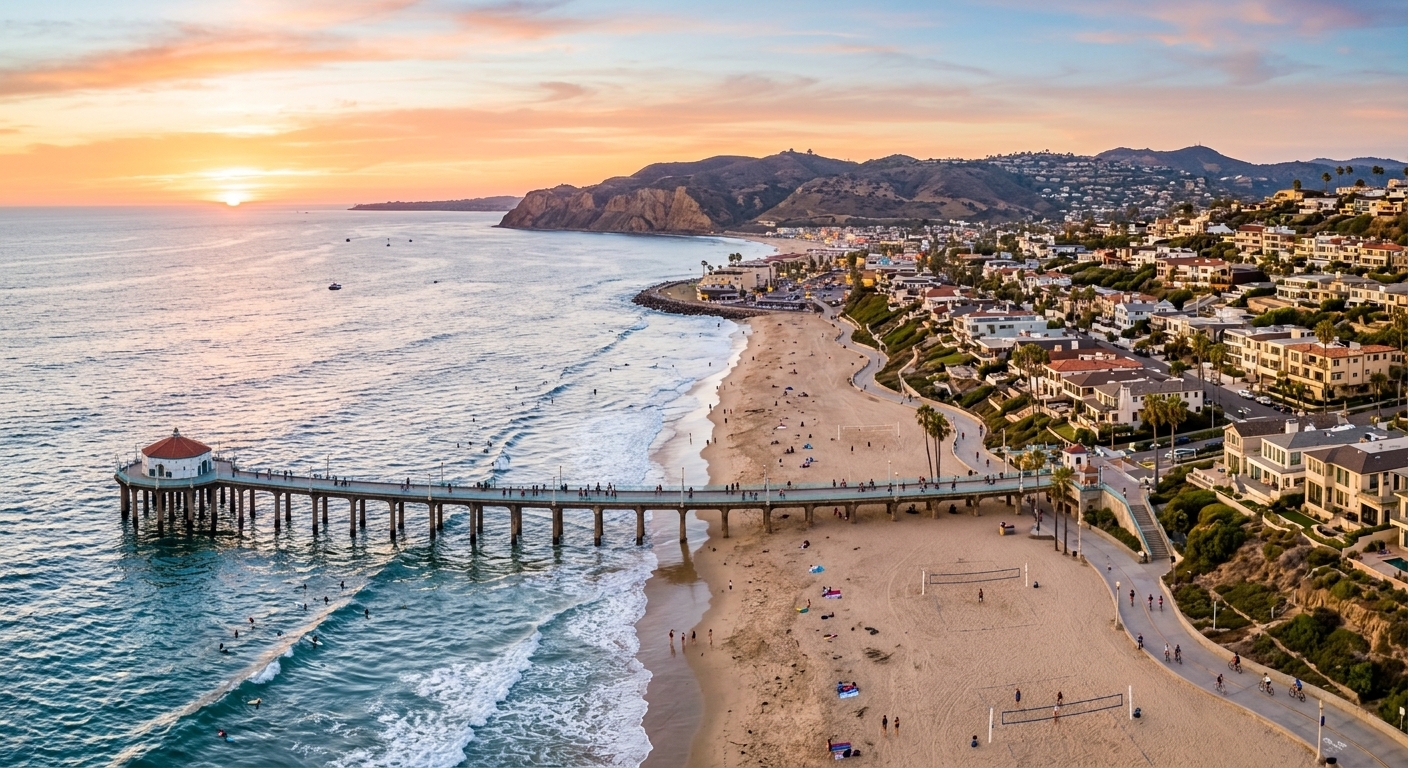
Living in the South Bay, nestled along the spectacular Pacific Ocean coastline, we tend to value views from our homes. Buying a home sitting up on a hillside to take advantage of these breathtaking views and its unique living experience, comes with certain risks, particularly in relation to landslides and insurance.
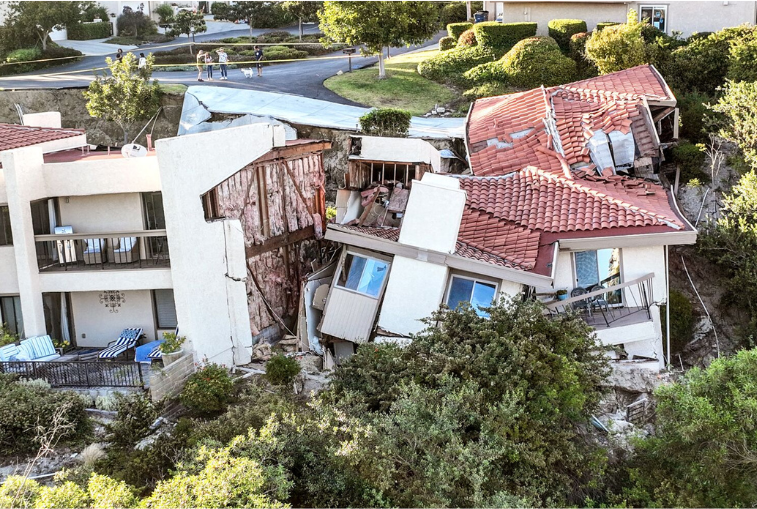
The recent landslide impacting the 12 townhomes on Peartree Lane in Rolling Hills Estates highlights the risks involved when owning a home on a hillside.
What causes a landslide?
Landslides are the downward movement of rock, soil, and debris on a slope. Hillside properties are more susceptible to landslides due to factors such as steep terrain, soil type, drainage patterns, and natural erosion.
It is tempting to assume that our hillsides are stable and everlasting. After all, they have been there as long as the hills, right? However, events, such as unusual amounts of rain or a broken water pipe, can cause shifting in these hillsides. It is too early to know the exact reasons behind the Peartree Lane slide but according to a July 13th article in the LA Times by Jack Fleming (“In pricey Palos Verdes, the ocean view is great — until your house slides into a canyon”), water coming from some source or the land grading in the 1950’s are the most likely culprit for this slide.
How do protect myself?
When you are purchasing a home in California, it is required that you receive a Natural Hazard Disclosure (“NHD”) that will detail if the home sits in an area susceptible to natural hazards such as High Fire Zone, Earthquake Zone, and the like. Some NHD companies will disclose whether the area is susceptible to land movement but, some do not. Look for Identified Earth Movement or Induced Landslide Hazard Zone designations in your report. Further, during your due diligence period, order a geological assessment to determine the stability of the slope and potential landslide risks.
Once you own the home, implement engineering solutions such as retaining walls, proper drainage systems, and vegetation management to stabilize the hillside and reduce the risk of landslides.
Can I reduce the risk through insurance?
Obtaining insurance for a home on a hillside can be more challenging and expensive due to the increased risk of landslides and other natural disasters. Here’s why insurance can be problematic:
Limited Coverage in standard policies – Many standard homeowner insurance policies exclude coverage for damages caused by landslides or may provide limited coverage. Homeowners may need to purchase additional policies or endorsements to cover these risks.
Higher Premiums in specialty policies – Insurance companies assess risks when determining premiums. Since hillside properties are more prone to landslides, insurers may charge higher premiums to compensate for the potential costs of claims related to landslide damage.
Deductibles – Specialty insurance policies for hillside homes might come with higher deductibles for landslides. This means that homeowners would need to cover a larger portion of the repair costs before the insurance coverage kicks in.
It is important to research insurance options thoroughly and consider working with an insurance agent experienced in dealing with hillside properties. Compare policies, premiums, and coverage options to find the best fit for your needs.
Finally . . .
In conclusion, buying a home on a hillside can offer scenic beauty and a unique lifestyle, but it’s crucial to be aware of the associated risks, particularly those related to landslides. Careful planning, due diligence, and taking necessary precautions can help you make an informed decision and manage these risks effectively.