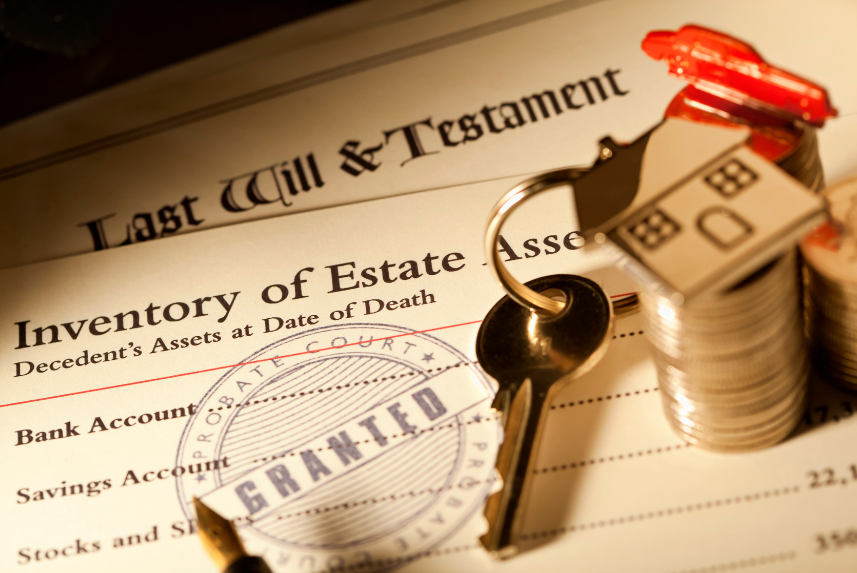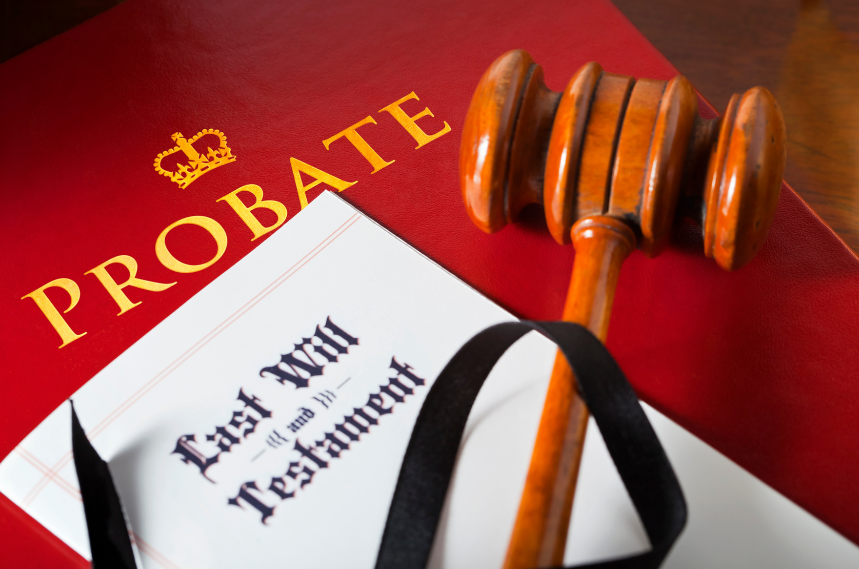
Probate is the legal process used, when a person dies involving the validation and administration of their will. If there is a valid will, the assets and debts are settled according to that will. If no valid will exists, the debts and assets are settled according to state law. Since the probate process is controlled by state law, it differs from state to state. A family or friend of the person that died, or the deceased, is chosen to act as the Personal Representative of the estate who coordinates the administration of the estate in conjunction with the court. The process begins when the court is petitioned on behalf of the estate by the person who is likely to become the Personal Representative. In the probate process, creditors are paid and the assets are legally re-titled into the proper names of the heirs or beneficiaries.
Real estate is typically one of (if not THE) largest asset held by the estate. The heirs or beneficiaries have good reasons for holding the property passed on to them since real estate can be a good investment but there are also reasons that the property may need to be sold:
- Estate Debt – The estate may have debts to satisfy. One way to generate cash to pay these debts is from the sale of its real property.
- Estate Fees – The estate will incur fees during the probate process. For example, there are court filing fees, attorney fees, Personal Representative fees, and the like. One way to generate cash to pay these costs is from the sale of its real property.
- Multiple Heirs or Beneficiaries – If the estate has multiple heirs or beneficiaries with claims against the estate, the real property may need to be sold in order to properly divide the net estate assets among the heirs or beneficiaries. While real estate can certainly be retitled in the names of multiple heirs or beneficiaries, sometimes, for various reasons, one or more of them may choose not to hold the real estate in common. Some may prefer cash rather than the responsibility or liability that is inherent in holding real estate. Or, even though there may be money to earn by holding and leasing out the property, some heirs or beneficiaries may need cash for other current demands in their life (college costs, rising healthcare, etc.). Also, the anticipated income stream from the real property may not offset the holding costs to the extent needed.
- CA Prop 19 – Under the new Prop 19 rules in California, if the property will be held as an income producing asset rather than a primary residence, the property will be reassessed upon transfer of title increasing the annual property taxes due. This increase in property taxes increases the holding costs of the property.
- Geography – In cases where the heirs or beneficiaries do not also live in the local proximity of the estate’s real property, costs to hold may increase as the need for a property manager becomes necessary. The heirs or beneficiaries may also feel that holding a real property that is out of state is more risky when they can’t “keep an eye” on the property. Holding a property out of state may also require additional state income tax return filings and associated costs and/or taxes.
- Condition of the Property – Some homes may have fallen into disrepair and may require too much work to rehabilitate. The heirs or beneficiaries may not have the time, resources, or energy to handle such a project. Fortunately, a real estate agent that specializes in probate will have the expertise needed to identify which repairs and/or improvements that can be made effectively to maximize the sales price of the property. And these specialists should have the contacts needed to accomplish such projects. Sometimes, if the estate does not have the funds necessary to complete this work, alternative arrangements can be made.
- Other – There are many other reasons that the Personal Representative may choose to sell the estate’s home or other real property. Sometimes those reasons are not clear at the beginning of the process and only arise later as the assets and debts of the estate are more clearly identified. The important thing to remember is that this is an option for the estate and it is important to work with a real estate agent that specializes in probate. We are certified probate specialists with the California Association of Realtors and with MTI Education. We are serious about adding value to your situation.
Depending on the estate assets and debts, and considering the needs of the heirs or beneficiaries, a sale of real estate might be the right answer. If so, choose a top-notch real estate agent to be your strategic partner and to help you navigate this often intricate process. We offer:
- Special knowledge and understanding of the probate process.
- Experienced knowledge to help you price your property competitively,
- Polished and effective marketing process to maximize your net proceeds,
- Tough negotiating skills to resolve those issues in your favor. This is especially crucial in a probate scenario where emotions can run high, and negotiations might require a delicate touch.
We are certified real estate professionals here to help you through the process from the very beginning to help you assess the property and prepare it for sale. See our Probate Specialist page on this website for more helpful probate information! Let’s discuss where you are in the process and how we can help.